Tunstall ROC: Last Days
Tunstall ROC (Royal Observer Corps) was built in 1959. Amid threats from Russia and the cold war escalations, it was originally built as a Nuclear Monitoring Post, in the event of a nuclear conflict with the Warsaw Pact countries. Should the unthinkable have happened, the people working there would have locked the door on the outside world and re-emerged, 28 days later to a very different place.
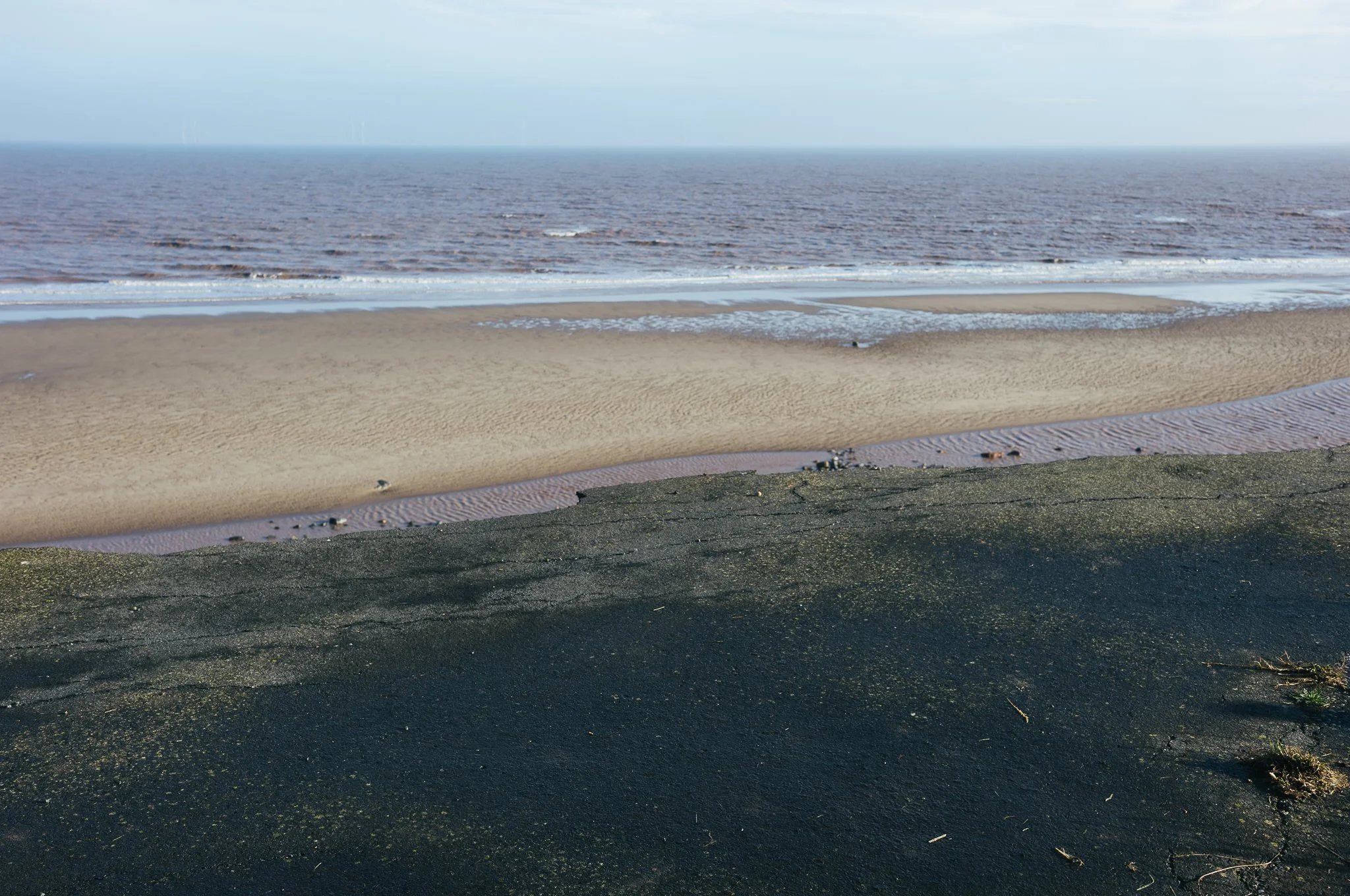
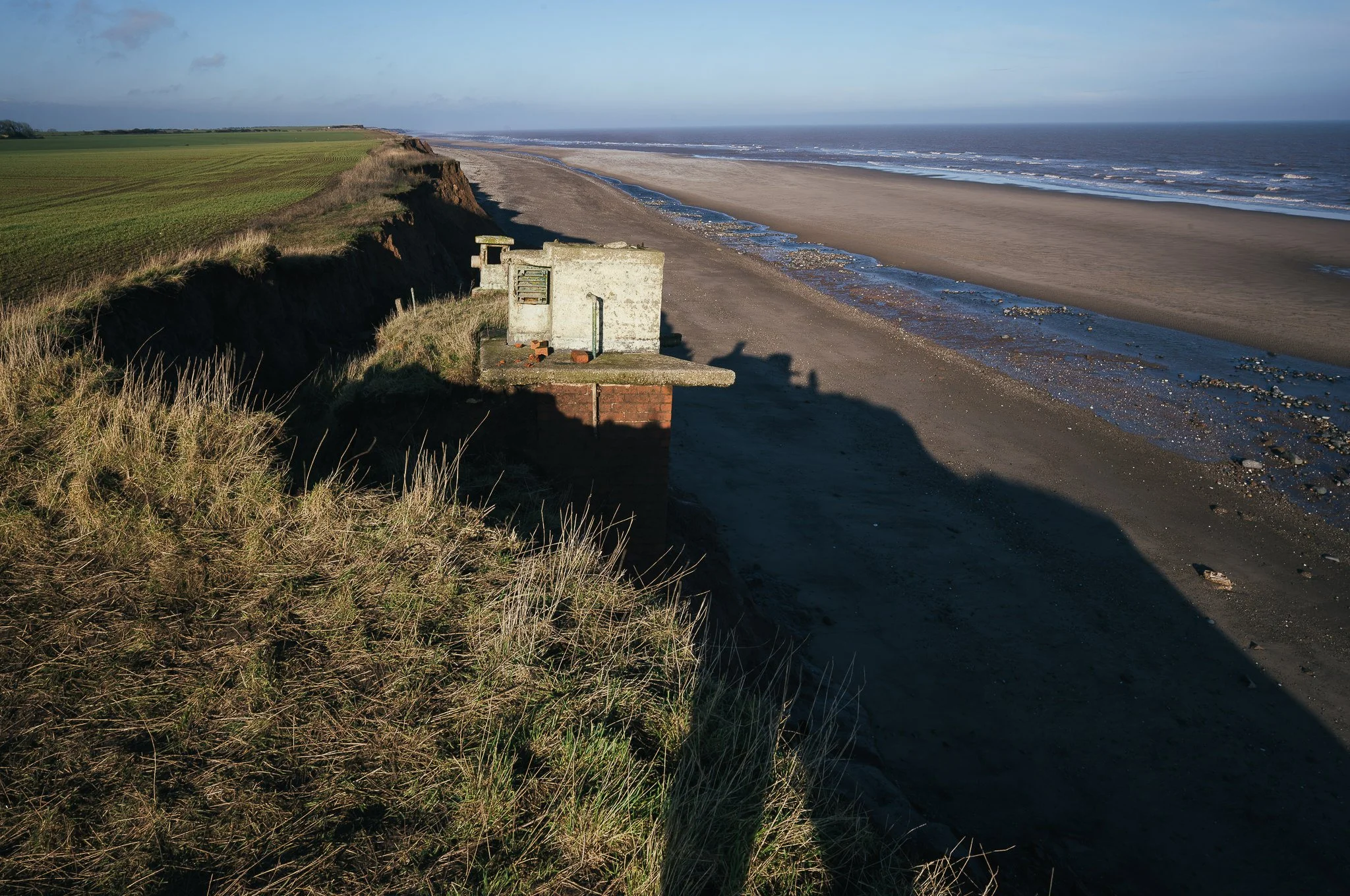
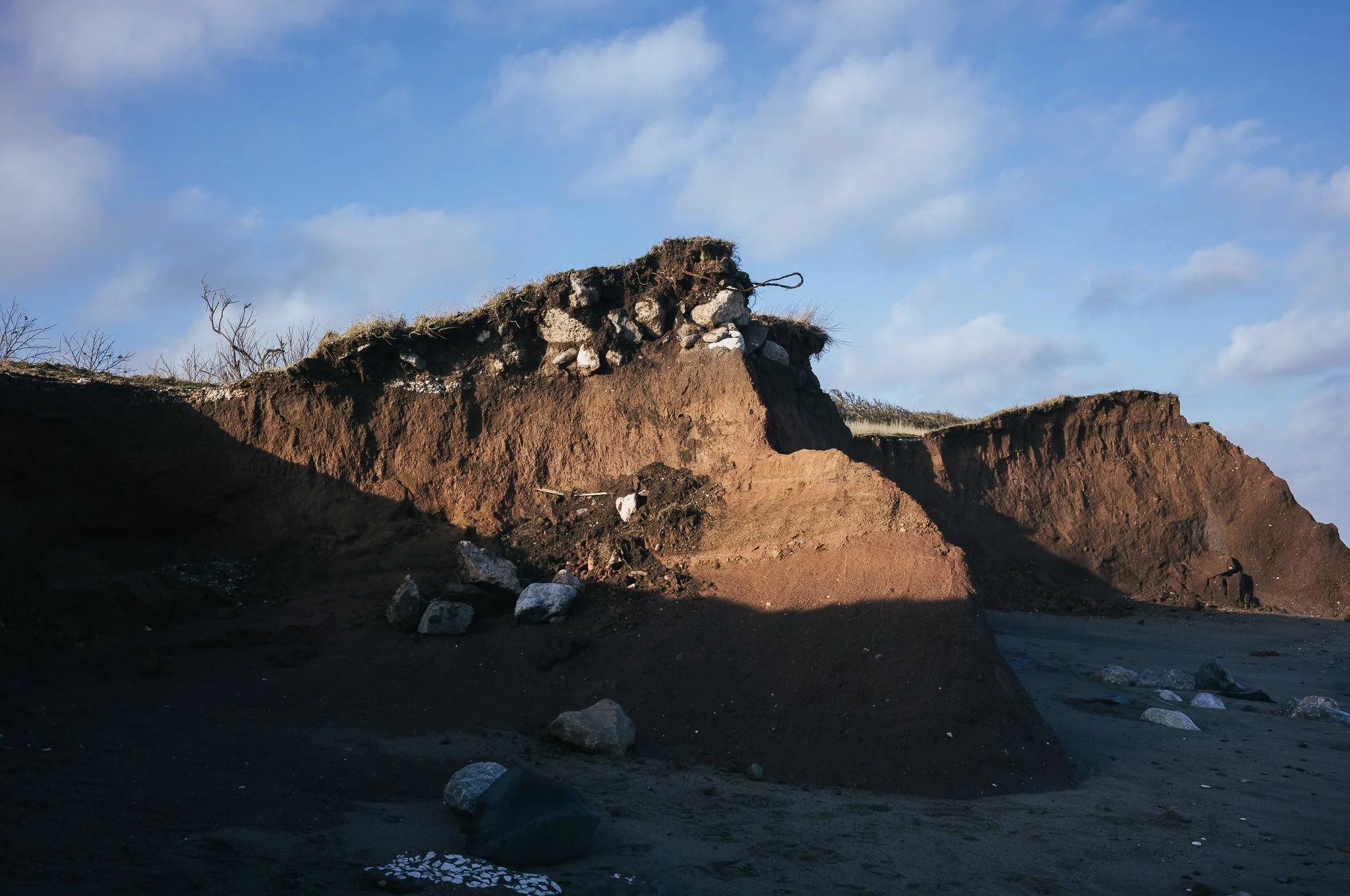
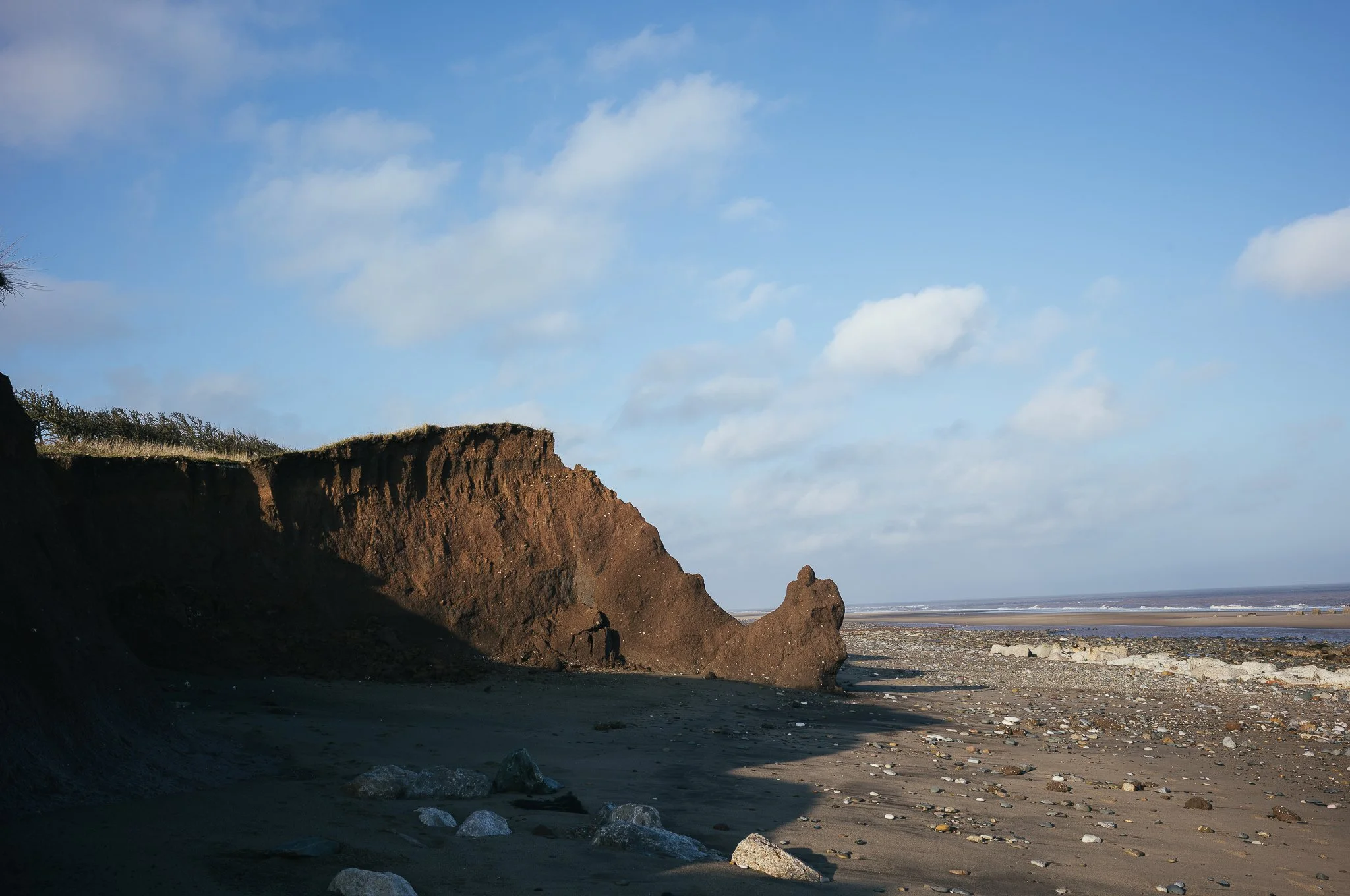
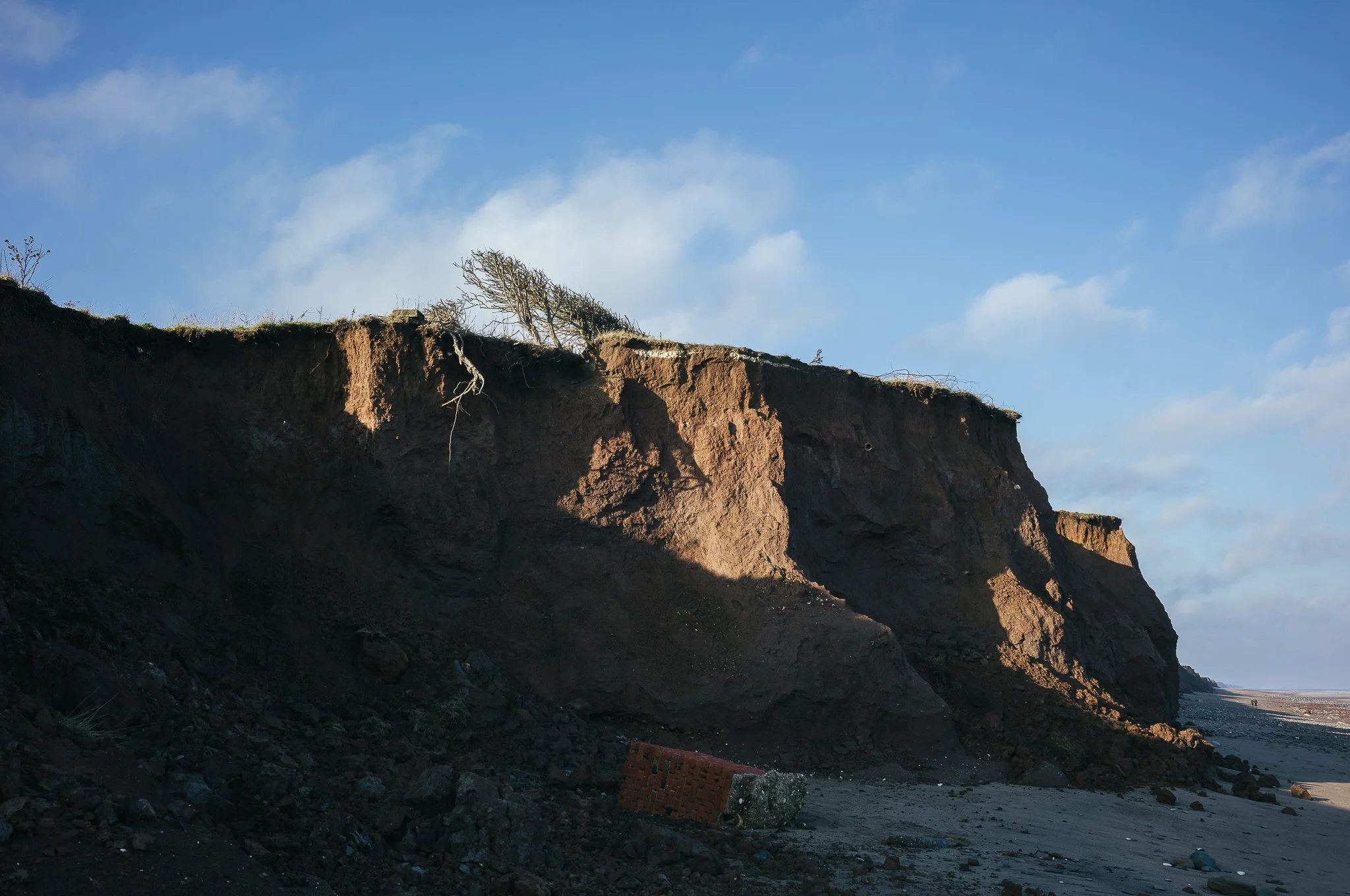
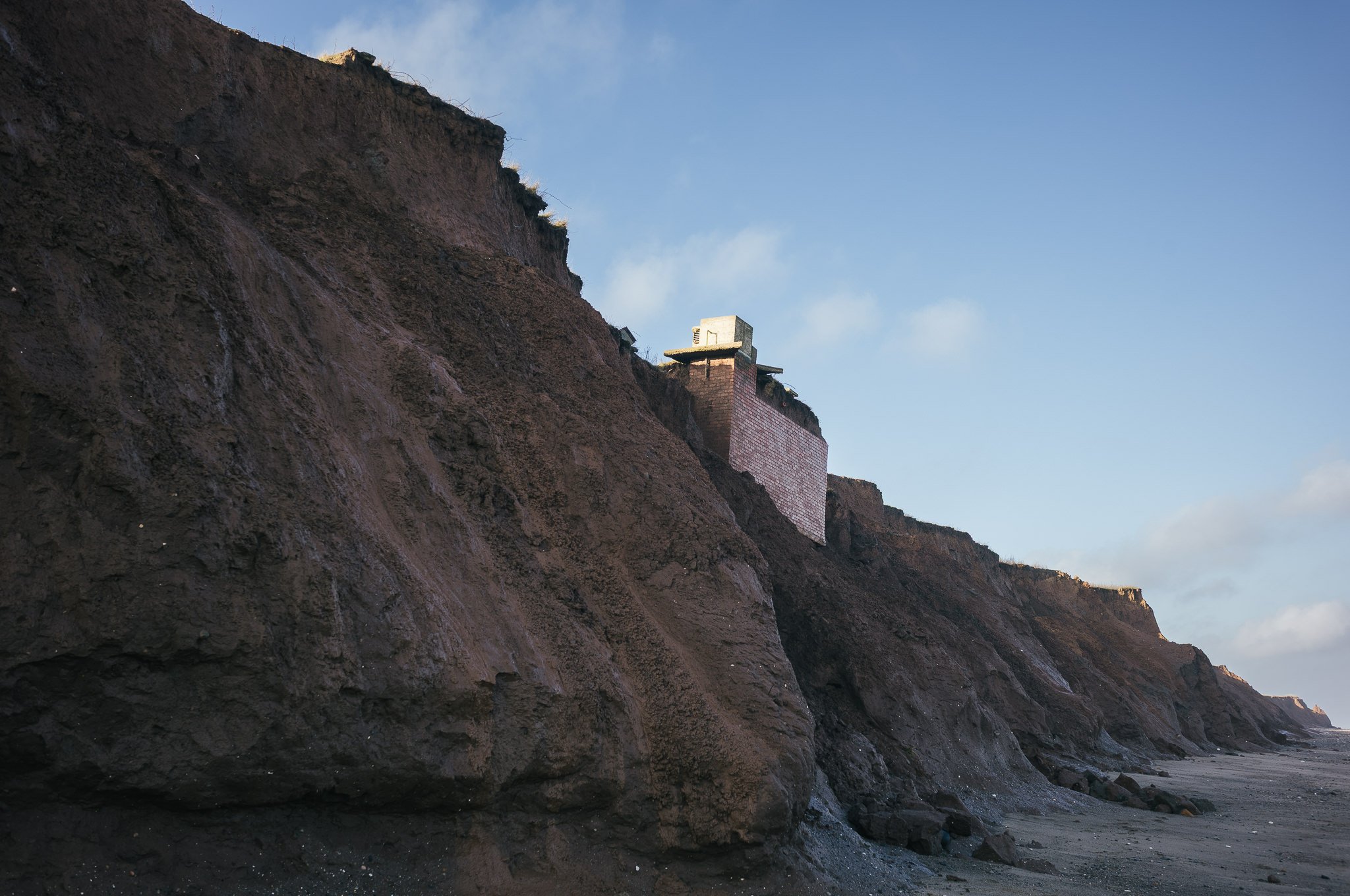
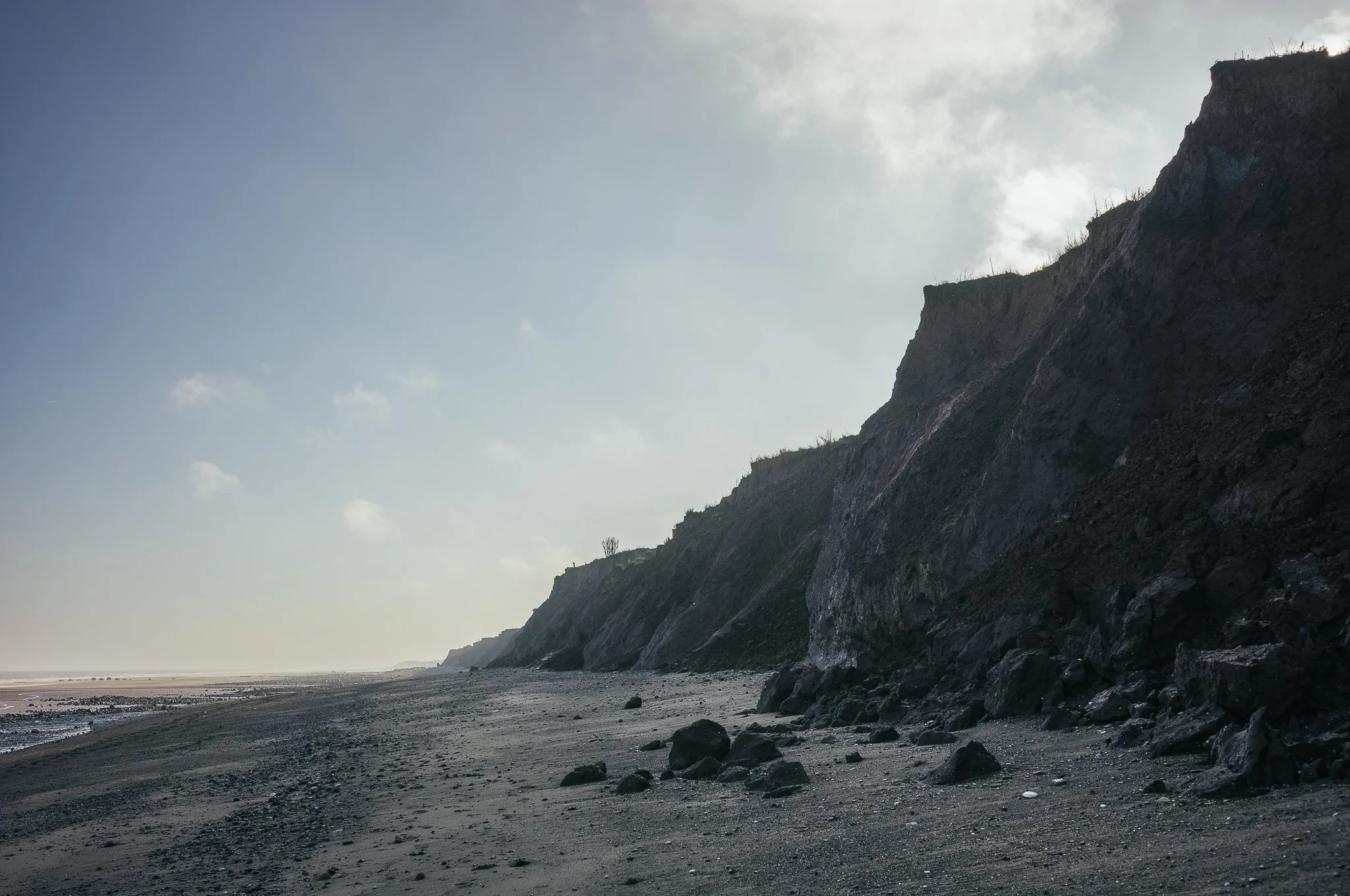
When Tunstall ROC was built, it was 90-100m back from the cliff top, safe from erosion. But, with the Holderness section of the coastline disappearing at a rate of, on average, 2 metres a year, it’s days have been numbered for a while.
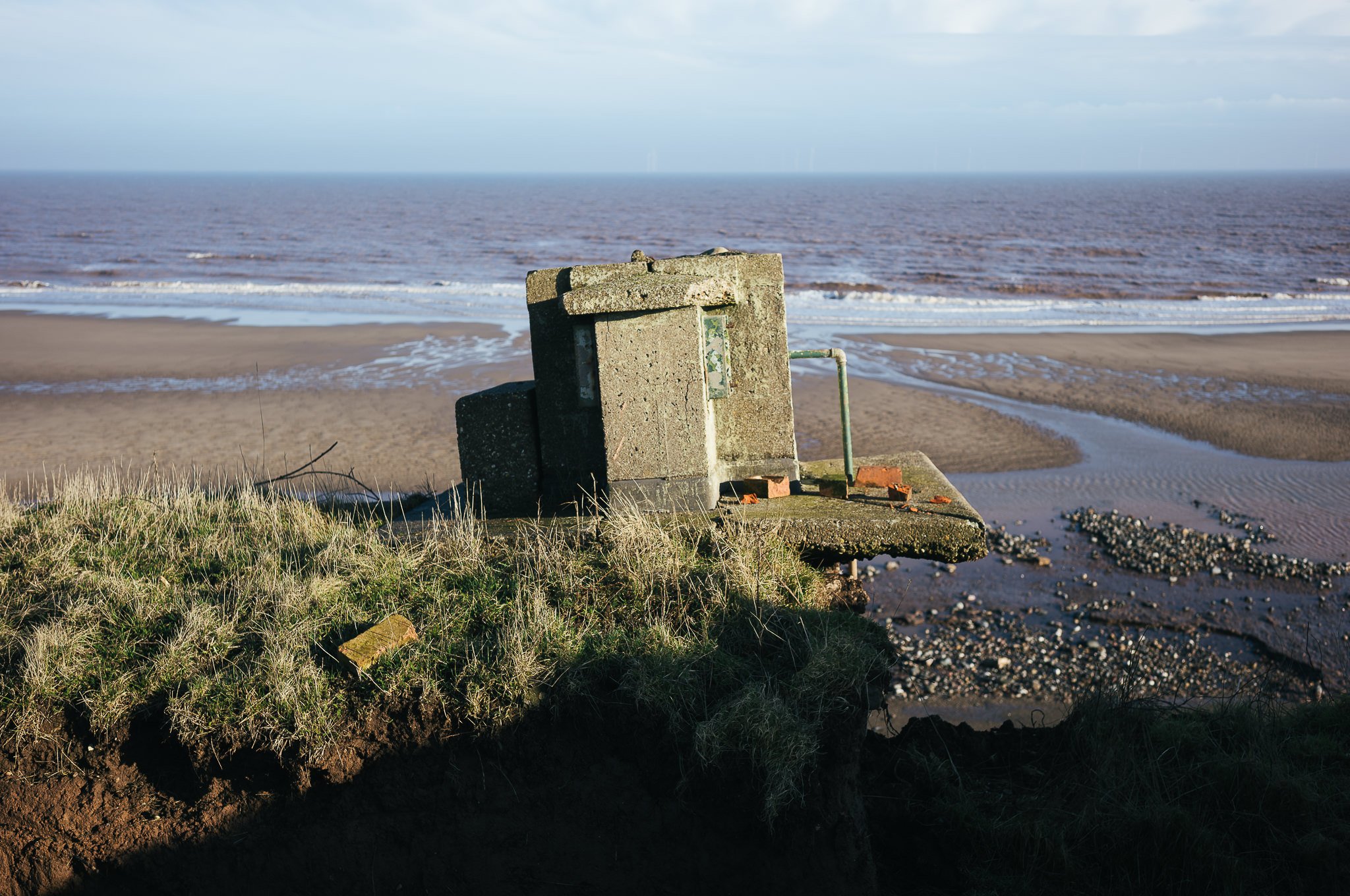
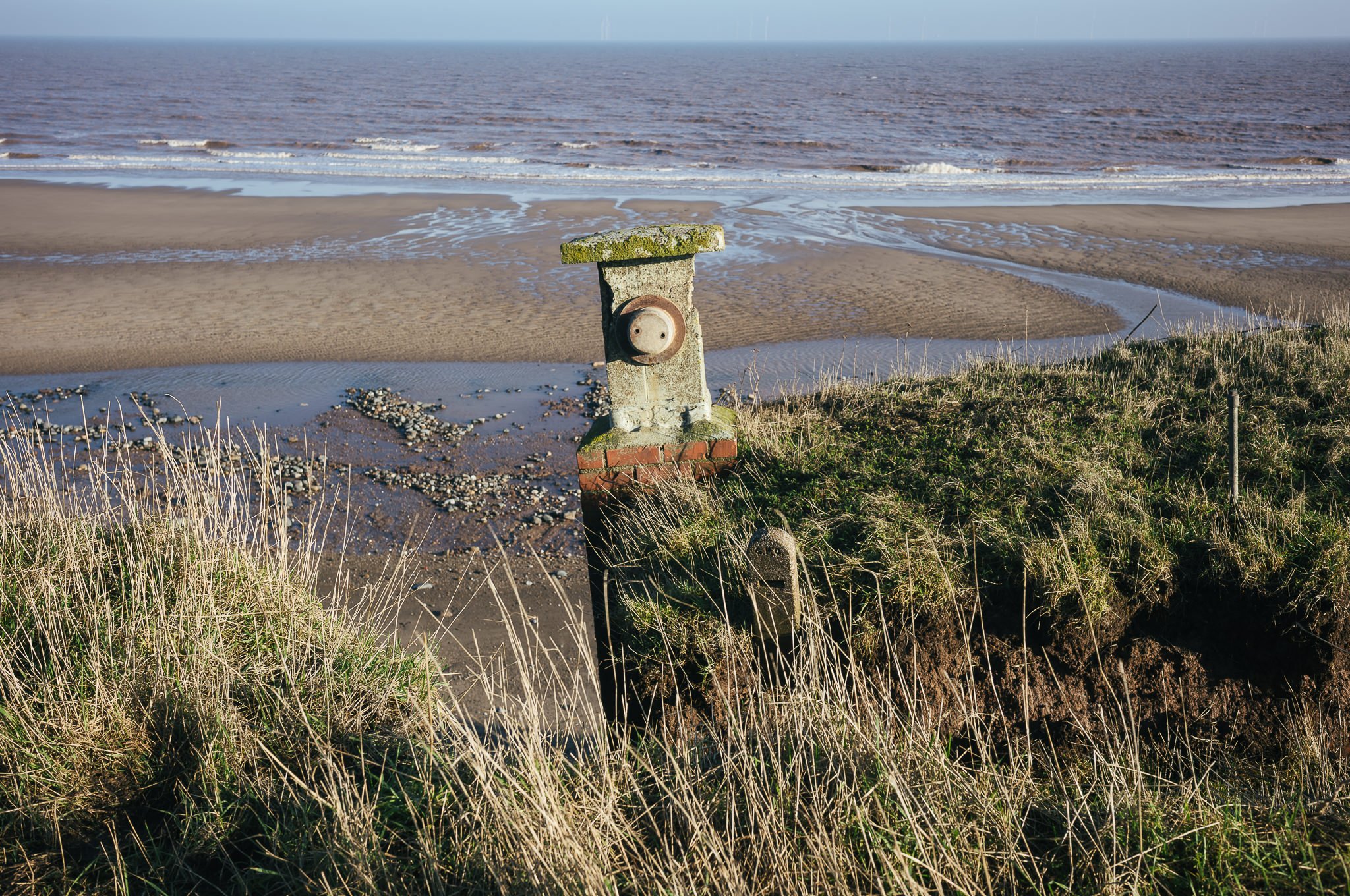
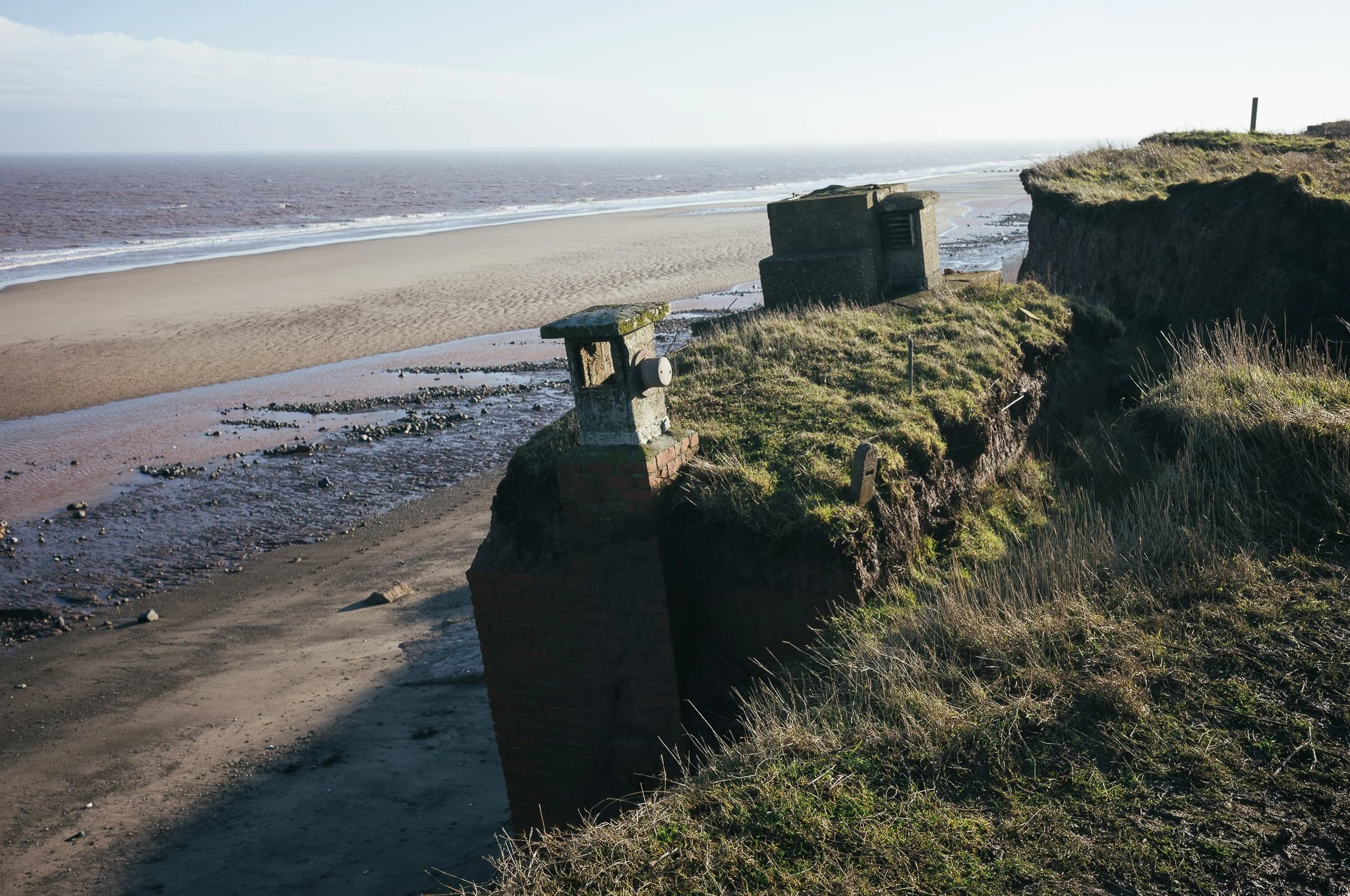
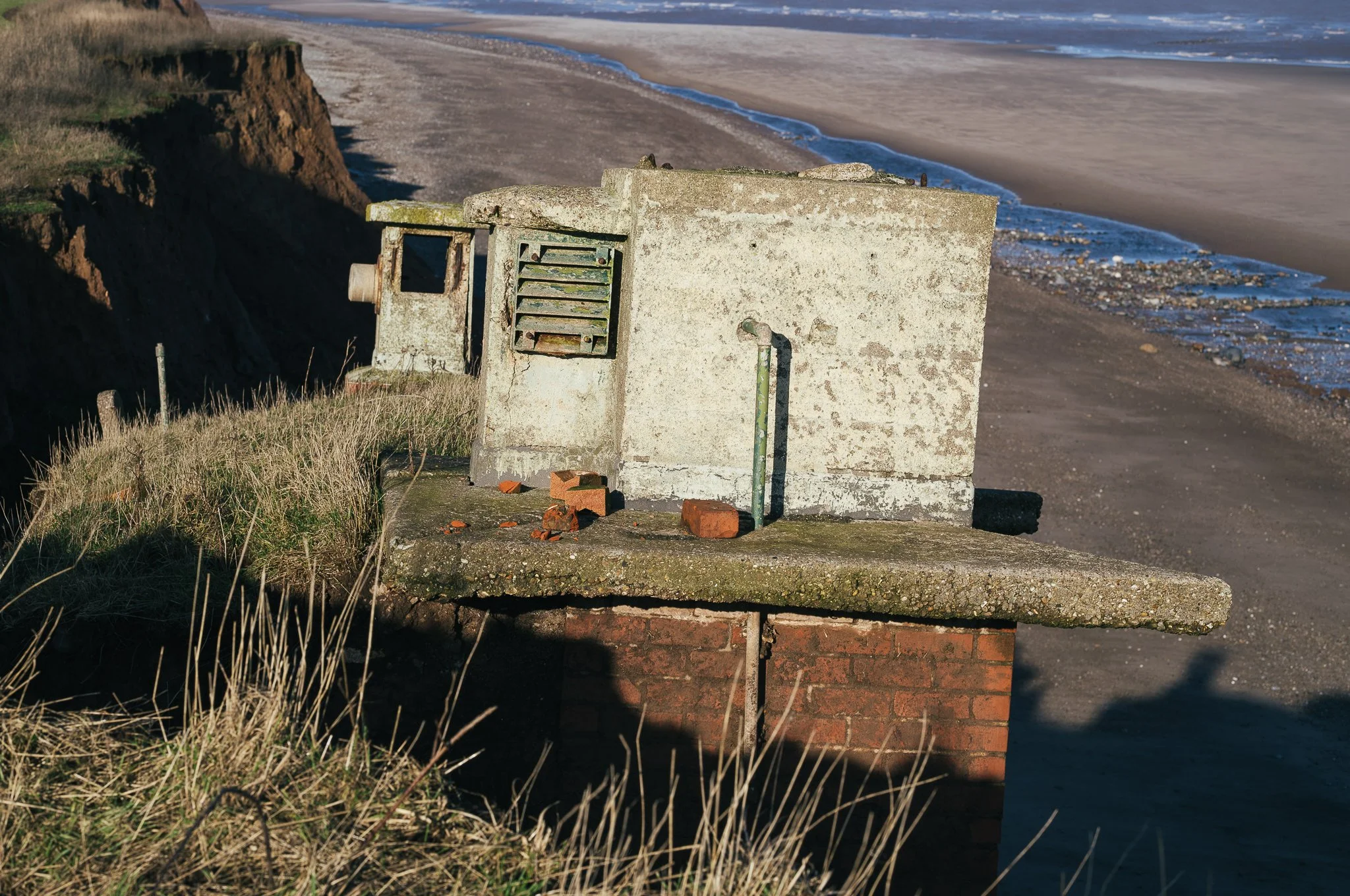
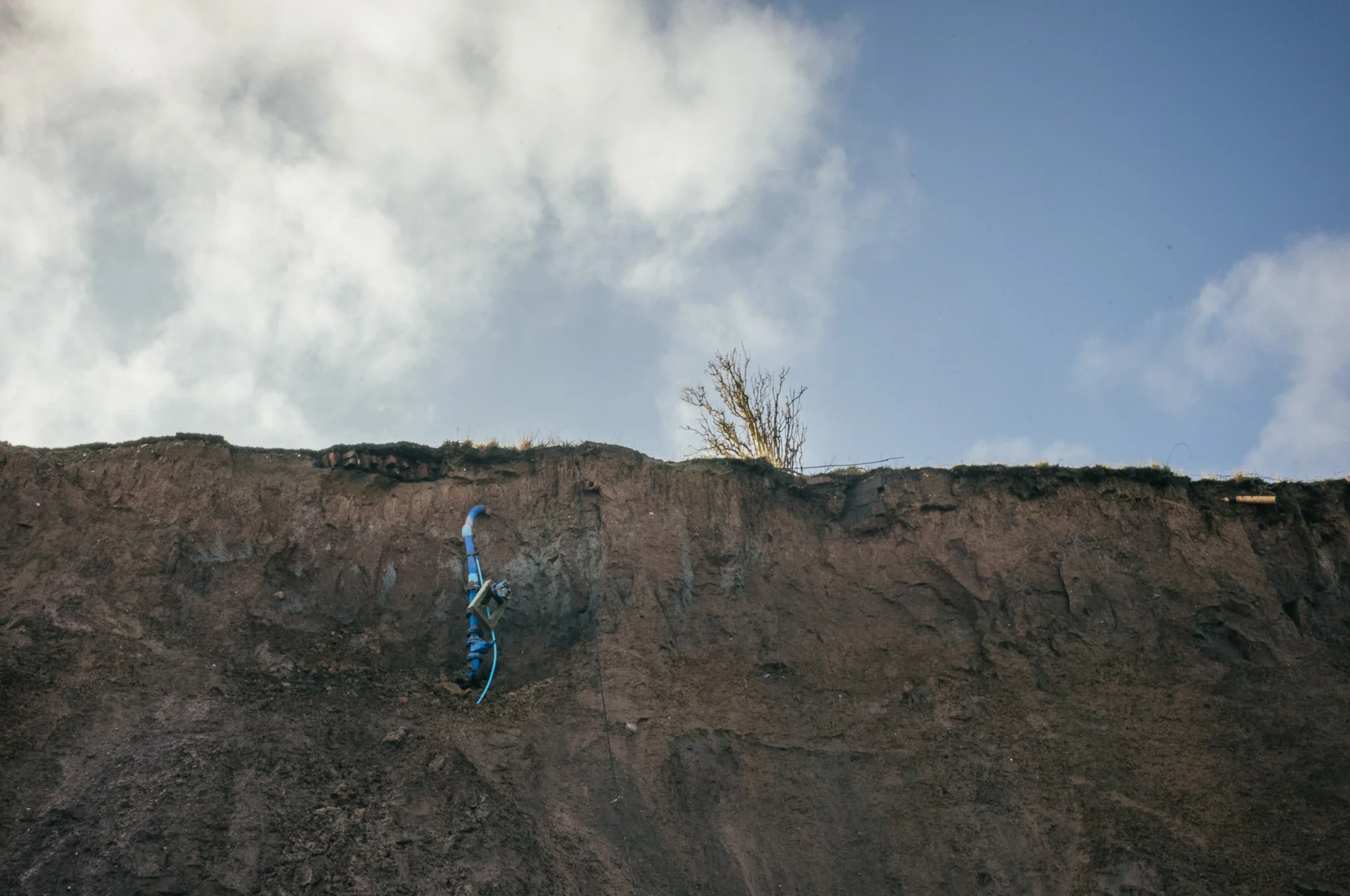
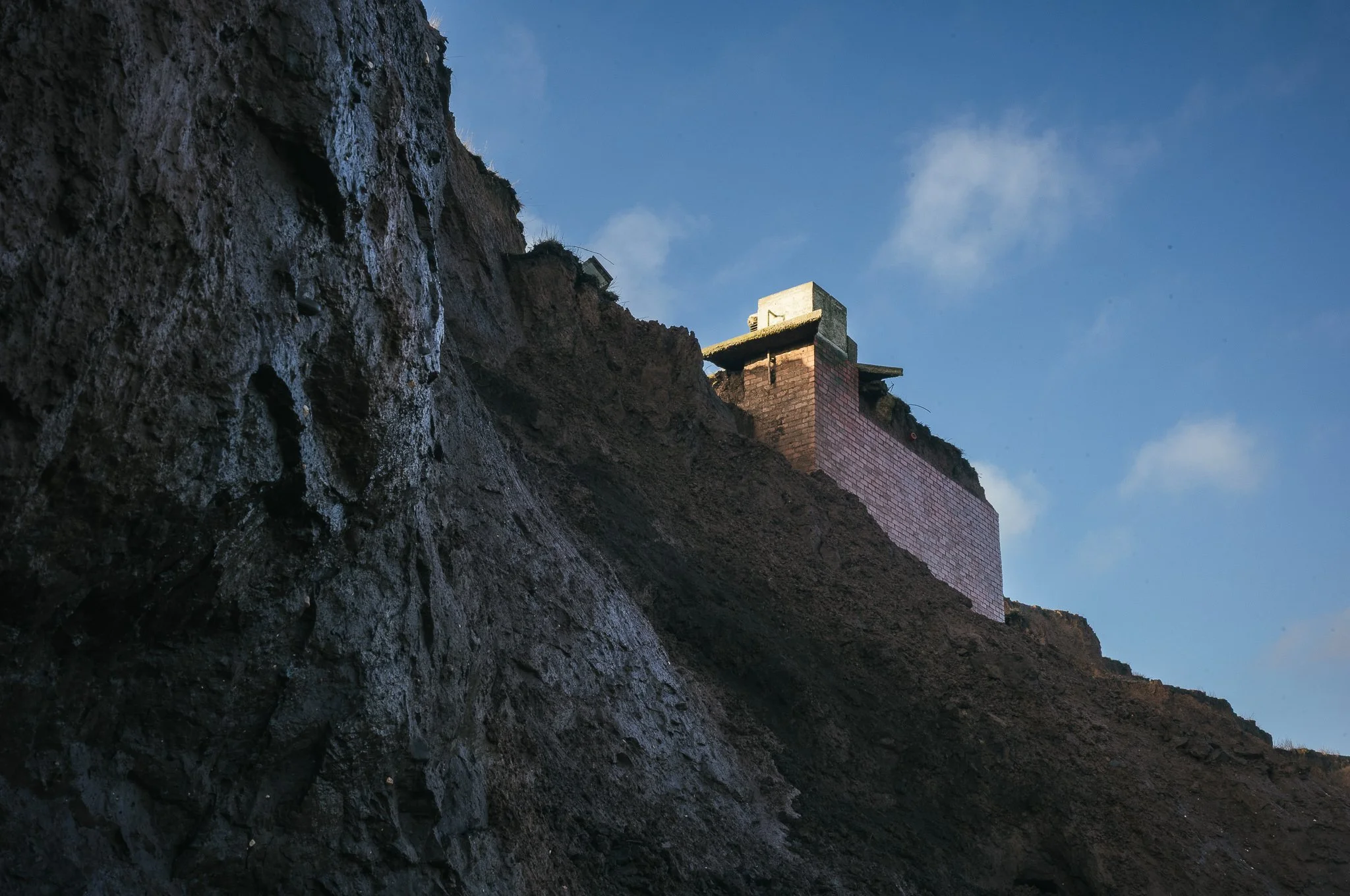
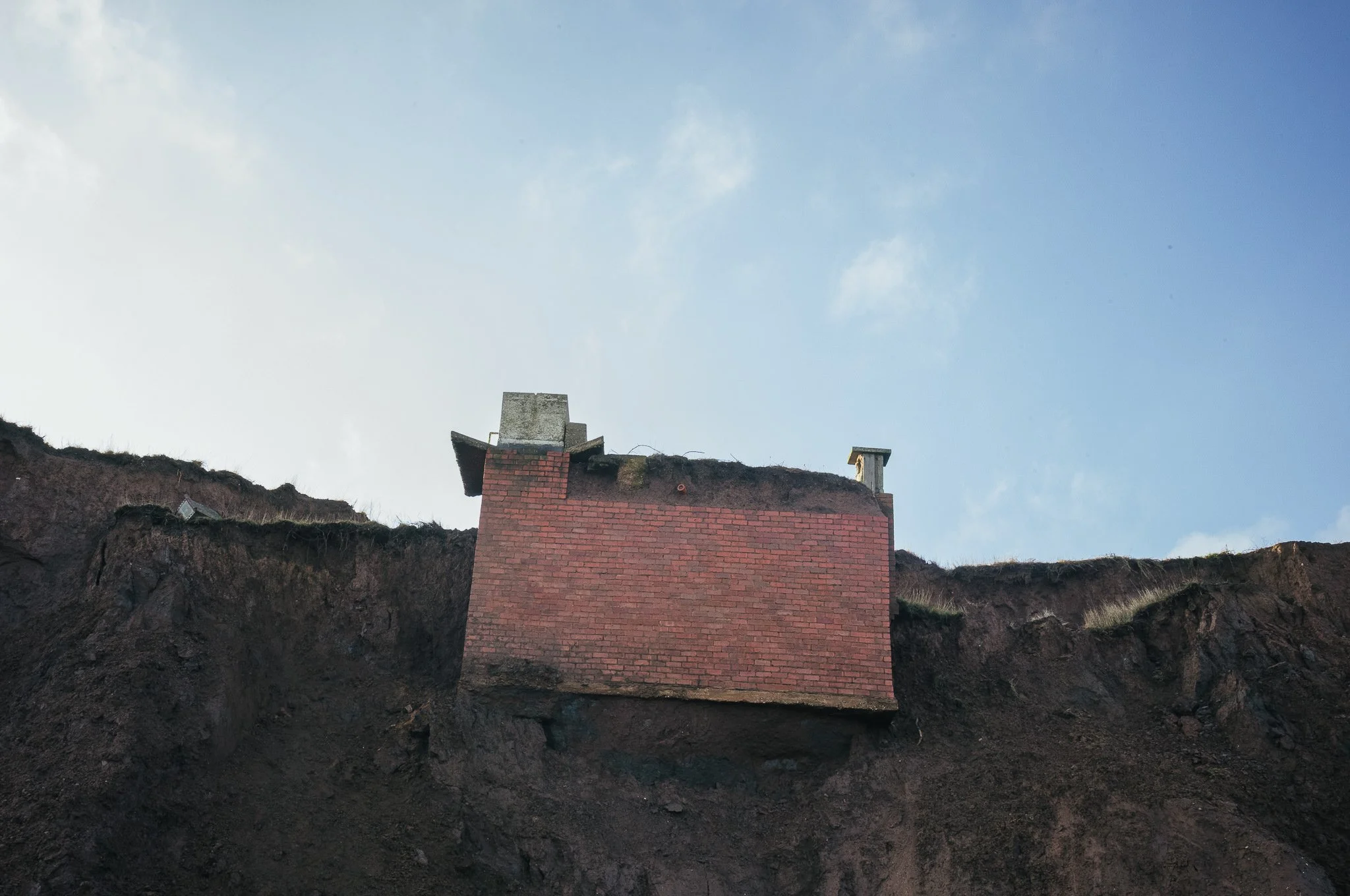
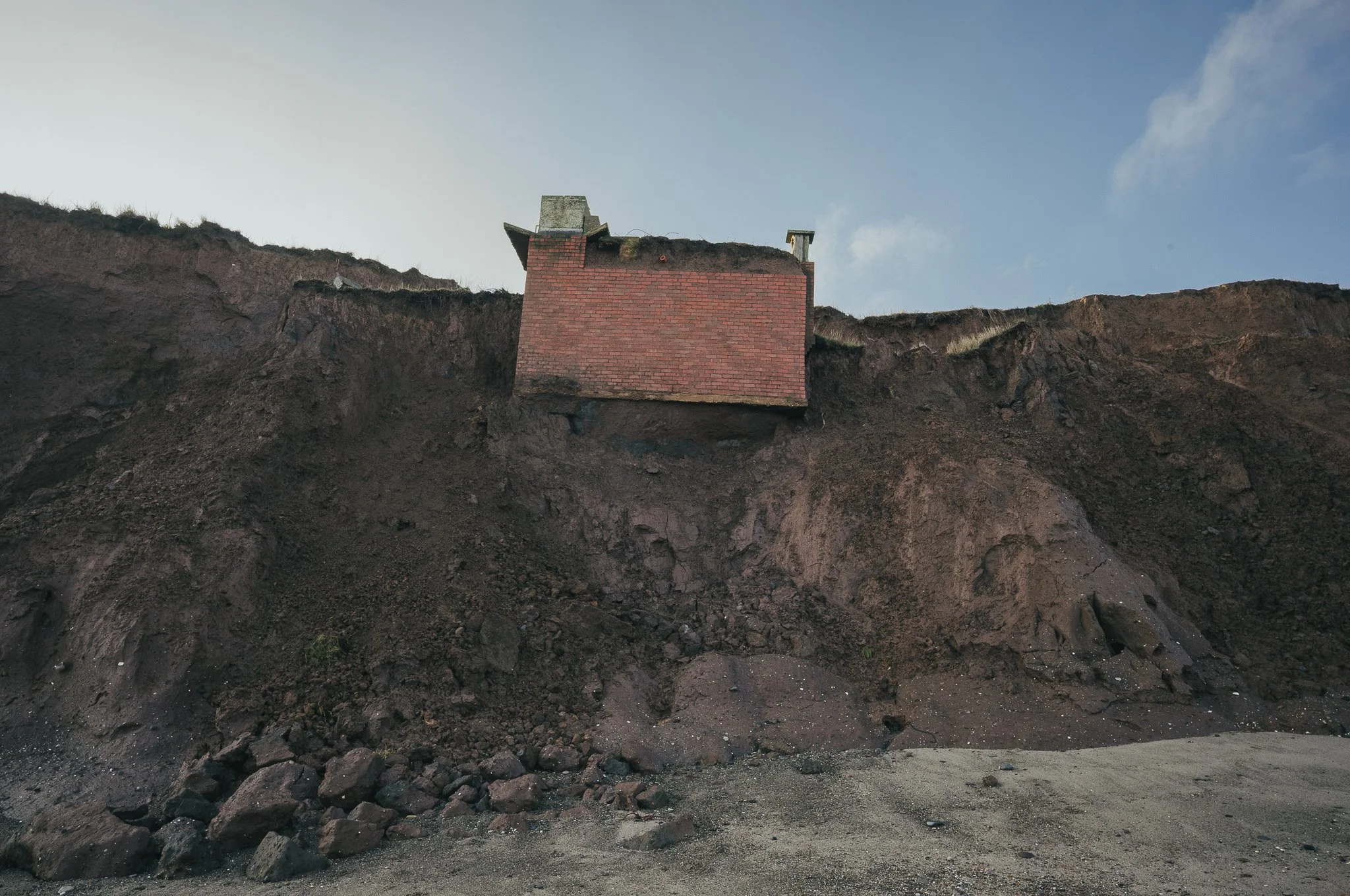
As of last week, It now lays on the beach, still intact, but upside down. When I went to see it a couple of weeks ago, it was making it’s last stand and was hanging, precariously ,to what’s left of the cliff face. What was once buried to provide the maximum protection for it’s inhabitants was fully exposed, facing out towards the North Sea and the beach ,which would become it’s resting place sometime over the next few weeks.
It’s received a fair bit of attention and become a bit of a celebrity of late. When I went to photograph it, there were two News crews there, filming it. One from ITV calendar who I did talk to, and one from GBNews who I chose not to.
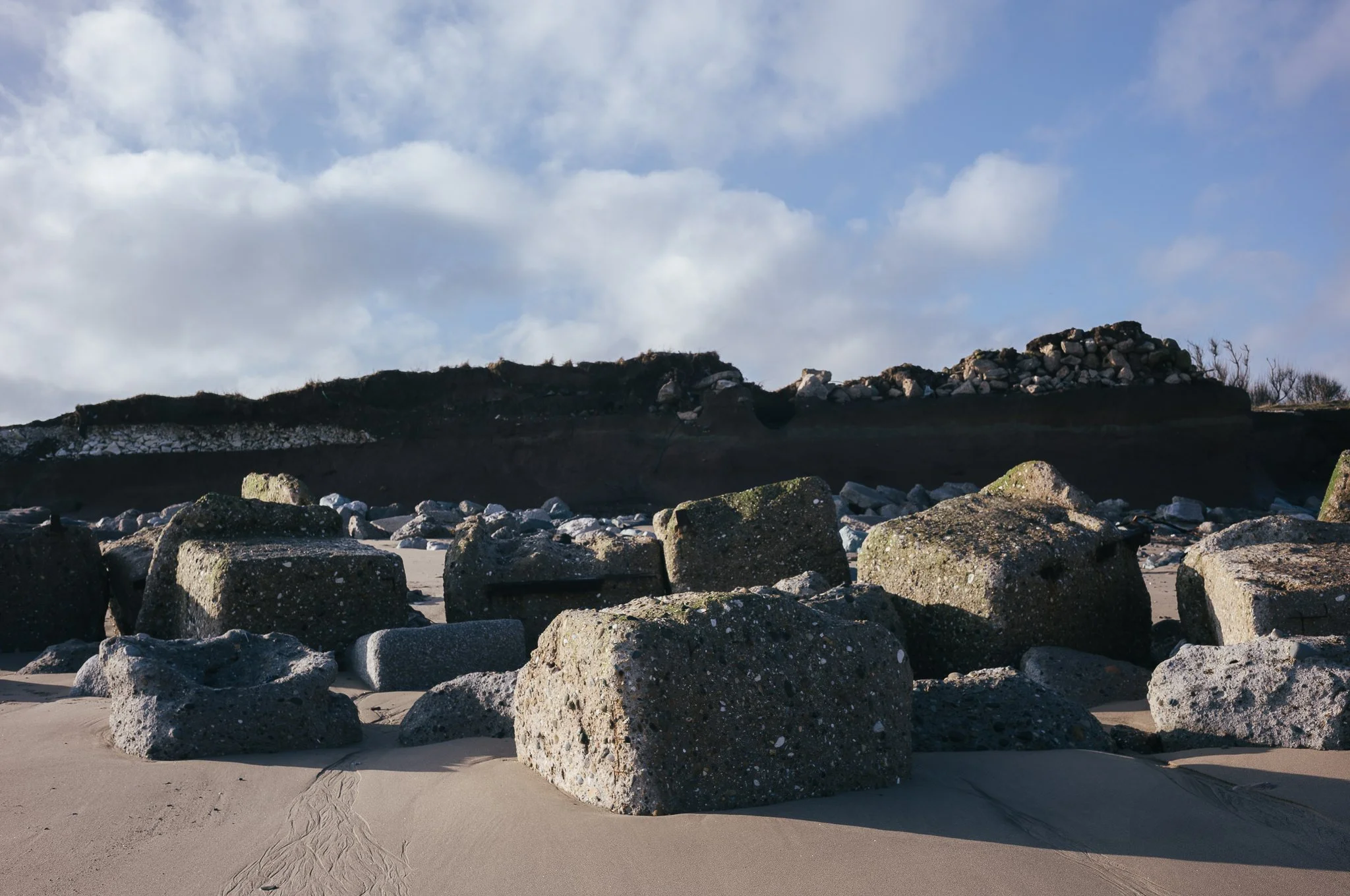
Most of the photographs of coastal erosion in my Shifting Sands project have shown the after effects of the erosion, with bunkers etc .strewn over the beaches of East Yorkshire. It’s somehow more impactful to see the building in it’s last days after years of service. Although now, I will be returning to photograph it again in it’s new location
Tunstall ROC was decommissioned in 1991, at a time when it seemed the world was turning a corner and putting behind us the days when we needed buildings like this. Now, I’m not so sure.